
Aware of the potential environmental impact inherent in its operations, Grupo Lamosa has adopted a proactive approach to address the challenges involved, constantly seeking innovations and improvements to optimize its production processes.
The company complies with all environmental regulations in the nine countries where it operates. In 2023, digital software was implemented to monitor every applicable regulation and standard across the different regions.
In fact, as this report was closing, the Mexican Federal Environmental Protection Agency (PROFEPA) awarded a Lamosa tile production plant in Mexico its Clean Industry certification, and another plant is in the process of implementing an action plan for certification.
CLIMATE ACTION
GRI 3-3; SASB RT-CH-530A.1, EM-CM-110A.2
Grupo Lamosa has adopted a comprehensive management approach to reduce its CO2e emissions, especially in the Tile Business, having launched diverse initiatives to this end over recent years.
Particularly, processes have been modified to reduce the thickness of tile products, thereby decreasing the use of raw materials and fuels in manufacturing and distribution, and the company has implemented projects to improve the energy efficiency of the kilns.
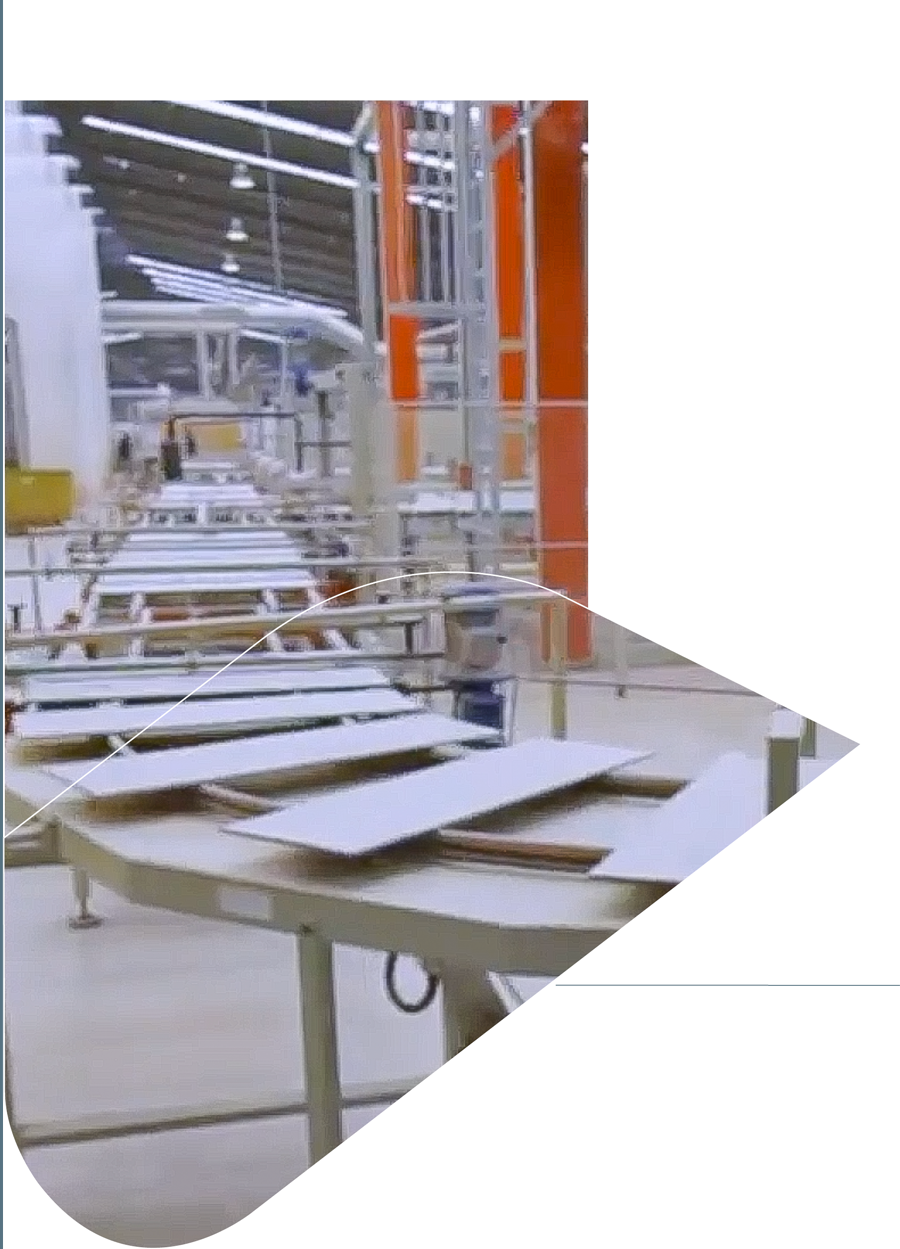
In Mexico, one of the company’s key strategies has been to co-generation energy, harnessing the heat generated in the kilns and drying atomizers in three production plants. In Spain, Grupo Lamosa has taken a significant step forward by starting to consume self-generated electricity produced by more than 6,300 solar panels.
As a cross-functional initiative, in 2023 the company introduced software specifically designed to collect fuel and energy consumption data from the production plants, ensuring reliable data traceability.
On another note, the Insulating and Lightening Materials Business in Mexico consumes a considerable amount of self-generated energy, thanks to solar panels installed at its industrial sites. In parallel, the segment is evaluating opportunities in distribution and logistics.
CIRCULARITY
GRI 3-3, 303-1, 303-2, 306-1, 306-2; SASB RT-CH-140A.3, CG-BF-410A.1, CG-MR-410A.3
Grupo Lamosa proactively administers two fundamental areas to optimize its operations: waste management and water use.
In the area of waste management, the company has focused on promoting circularity by reusing waste materials in its production processes. For example, the Tile Business recovers almost 97% of its generated waste to reuse in its processes; the Adhesives Business reuses materials from the bagging stage in the mixing process; and the Insulating and Lightening Materials Business boasts SEMARNAT certification for collecting materials for recycling and also reusing materials that would otherwise be waste.
Across its operations, Grupo Lamosa has implemented diverse measures to reduce its water use. The Tile Business uses dry grinding processes for some red ceramic products and reuses the water employed in this phase of the process. Additionally, water consumption is constantly monitored to avoid overuse.
The Sopo Plant in Colombia is currently developing infrastructure to capture and use rainwater and, in Peru, the company is implementing a pilot project that reuses water evaporated in the atomizers.
It is important to note that the water used in operations is treated to high-quality standards to ensure it is returned to the environment in the same conditions as it was obtained.